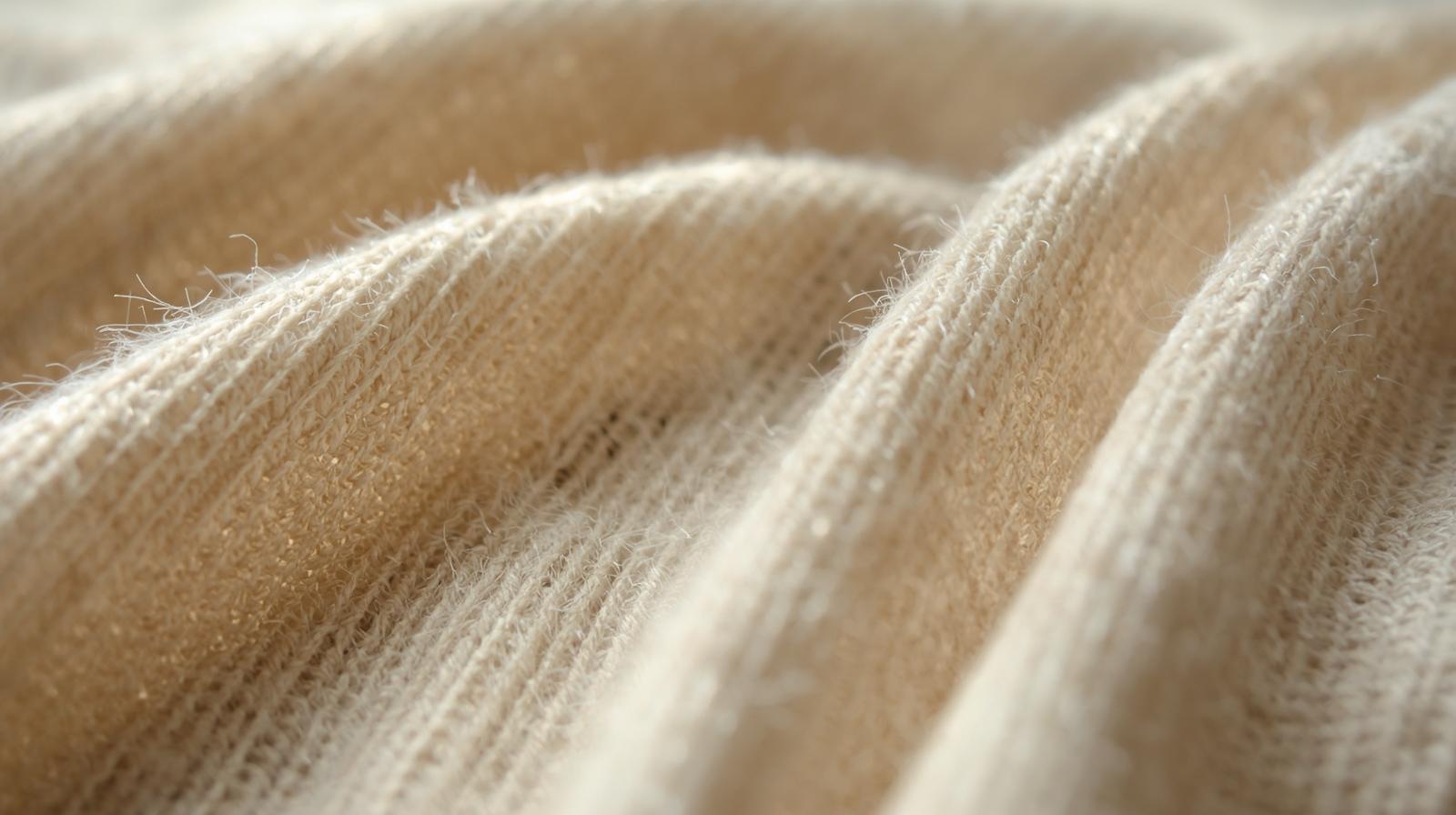
Jersey Knit Fabric Supplier Built for Consistency, Scale and Long-Term Apparel Programs
Jersey Knit Looks Simple Until Production Scales
Jersey knit fabric is often considered the most basic knit in apparel.
In reality, it is one of the most sensitive fabrics once production volume increases.
Small deviations in knitting tension, yarn balance or finishing parameters may not show up during sampling. They emerge only when thousands of garments are cut, sewn and washed—usually too late to correct without cost.
This is why choosing a jersey knit fabric supplier is less about catalog options and more about process discipline.
At Succeed Textile, jersey knits are developed to remain stable not just at first delivery, but across repeated seasons and reorder cycles.
Where Jersey Knit Commonly Fails in Bulk Production
Most jersey-related problems originate from structural imbalance rather than fiber choice.
Typical failure points include:
-
Edge curling that complicates cutting accuracy
-
Fabric torque causing twisted panels after washing
-
Width variation that reduces cutting yield
-
Surface pilling under daily wear
-
Inconsistent shrinkage between dye lots
These issues accumulate across production runs, affecting fit consistency and increasing quality claims.
Supplier Capability Is More Important Than Fabric Softness
Nearly all jersey fabrics feel soft at first touch.
What differentiates a professional supplier is how that softness behaves after mechanical stress, washing and wear.
A capable jersey knit fabric supplier controls:
-
Loop density to balance flexibility and stability
-
Yarn twist to reduce rotational stress
-
Knitting tension to limit internal torque
-
Fabric relaxation before finishing
-
Shrinkage alignment prior to bulk cutting
Without these controls, even premium yarns produce unreliable jersey fabric.
Weight Selection as a Risk Management Tool
Fabric weight (GSM) is often chosen based on market preference, but it also acts as a risk control lever in jersey production.
Lighter jerseys increase the likelihood of distortion and transparency, while heavier jerseys improve stability but may reduce drape if not finished properly.
In long-term programs, many brands standardize jersey weights within a narrow range, allowing predictable behavior across multiple collections while simplifying sourcing.
Consistency Across Seasons Is the True Test
For apparel brands, the real challenge is not launching one successful style, but repeating it reliably.
At Succeed Textile, jersey knit programs emphasize:
-
Repeatable yarn sourcing
-
Controlled knitting parameters across machines
-
Batch-to-batch color and width consistency
-
Pre-shrinkage processes aligned with garment washing requirements
This approach allows brands to reorder core jersey styles without revalidating fabric behavior each season.
Jersey Knit in Real Apparel Applications
Despite its sensitivity, jersey knit remains indispensable due to its versatility.
When properly engineered, it supports:
-
T-shirts and base layers where comfort is essential
-
Activewear tops requiring light stretch and breathability
-
Loungewear designed for extended wear
-
Layering garments used year-round
-
Casual uniforms where ease of care matters
The key is not variety, but repeatable performance across these categories.
Production Efficiency Starts With Fabric Behavior
From a factory perspective, unstable jersey fabric slows everything down.
Operators must adjust machines, slow sewing speed and correct distortion repeatedly.
Stable jersey knits improve:
-
Cutting accuracy
-
Sewing throughput
-
Garment dimensional consistency
-
Overall yield per roll
Over long production runs, these operational gains often outweigh minor differences in fabric price.
Buyer Questions That Determine Supplier Approval
Will jersey fabric twist after washing?
Only if knitting tension and yarn balance are not controlled.
Is extremely soft jersey always better?
Not for scale. Slight firmness often improves stability and longevity.
Can jersey knit support long-term reorder programs?
Yes, when supplier processes are consistent and documented.
Does jersey choice affect defect rates?
Significantly. Fabric behavior directly impacts rejection and rework levels.
Jersey Knits Built for Programs, Not Samples
Jersey knit fabric may appear simple, but it demands discipline at scale.
Choosing the right jersey knit fabric supplier ensures comfort does not come at the cost of consistency and production efficiency.
At Succeed Textile, jersey knits are developed to support long-term apparel programs, helping brands reduce variability while maintaining comfort and quality.
Explore our jersey knit fabric capabilities on the
👉 homepage
or discuss sampling, specifications and bulk programs via our
👉 contact page