Thermal Clothing Fabric Solutions: Balancing Warmth, Weight and Comfort
When Warmth Becomes a Design Challenge
For modern apparel brands, insulation is not the only goal—comfort, flexibility and wash durability are equally critical. Designers often struggle to keep garments warm without making them bulky or stiff. Conventional fleece or heavy cotton adds weight, while synthetic layers may trap moisture and affect breathability. These pain points drive the demand for new types of thermal clothing fabric that combine warmth, structure and comfort in one construction.
The Principle of Thermal Insulation in Fabrics
Heat retention relies on two key factors: the air trapped between fibers and the conductivity of the materials themselves. Succeed Textile optimizes both by controlling fiber density, pile height and surface lamination.
-
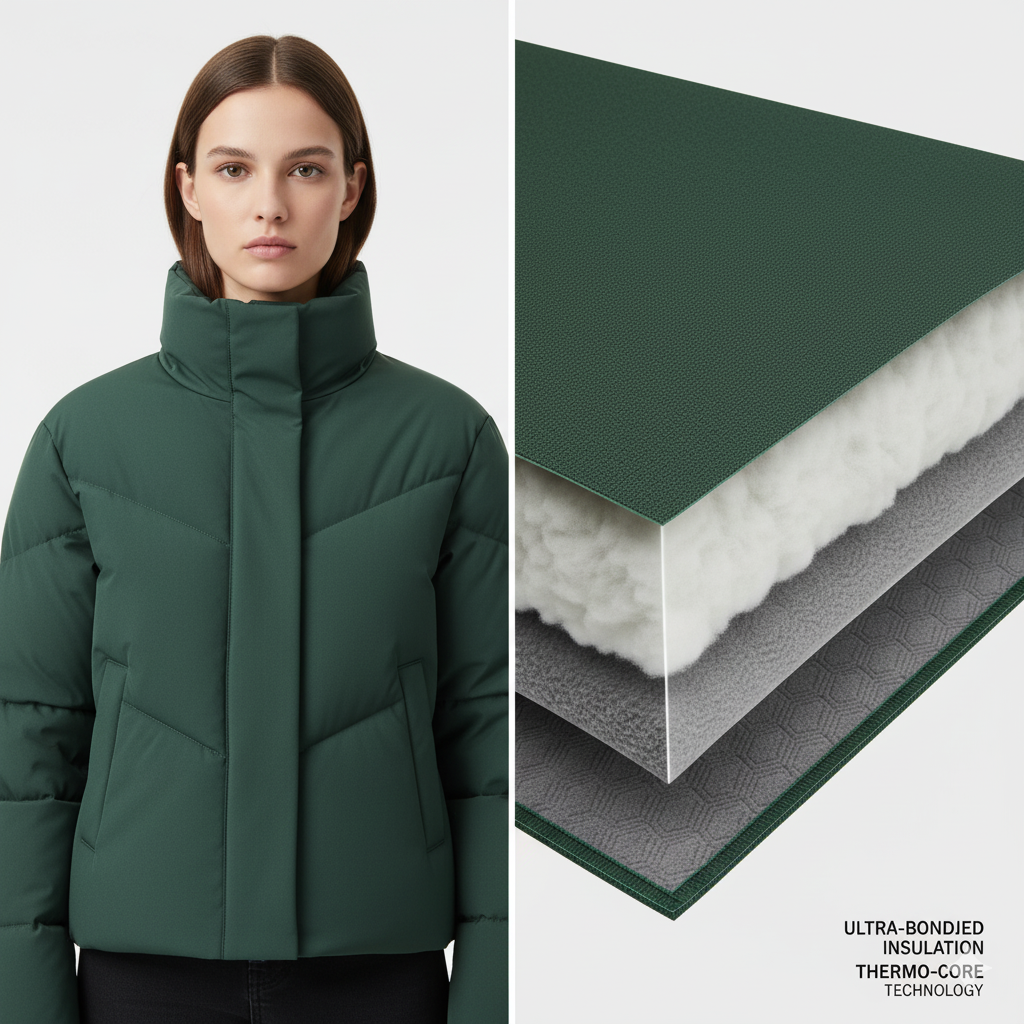
Bonded Fleece Fabric: Two layers joined by a thin membrane that locks warm air while reducing heat loss through seams.
-
Double-Knit Interlock Fabric: A dense loop structure that creates a micro-air pocket between faces, maintaining insulation without bulk.
-
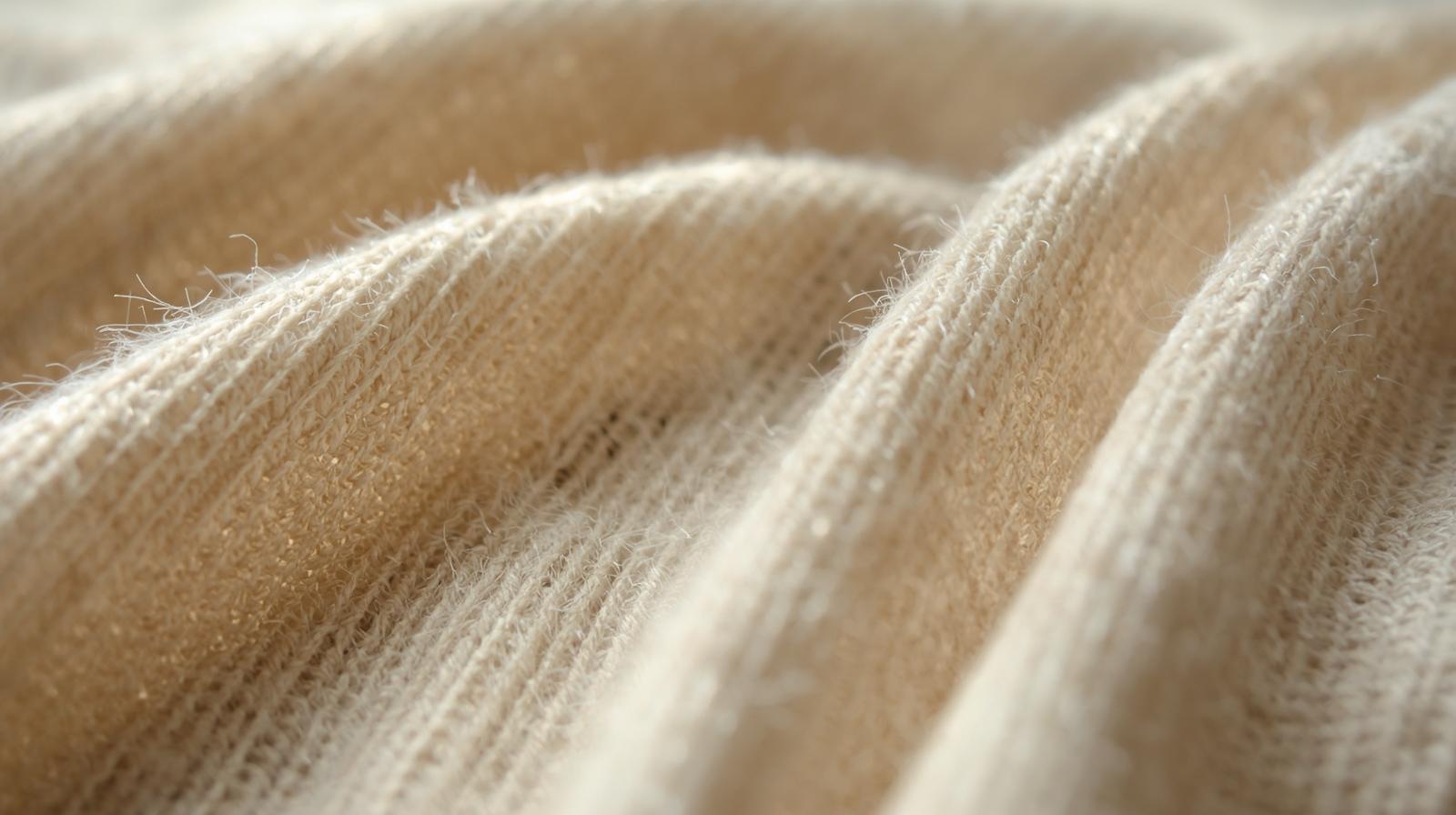
Brushed Jersey Fabric: Lightweight with soft inner fibers that generate gentle thermal comfort for base-layer clothing.
These technologies allow brands to create winter garments that stay warm, light and pleasant to wear throughout the season.
Comparing Traditional vs. Modern Thermal Materials
Traditional fabrics like wool or cotton fleece offer natural warmth but are heavier and slower to dry. Modern composites use synthetic fibers and bonded construction to increase warmth-to-weight ratios and wash resistance.
| Aspect | Traditional Fabrics | Succeed Textile Thermal Solutions |
|---|---|---|
| Weight | High bulk needed for insulation | Lighter bonded or interlock design |
| Drying Time | Slow | Quick due to synthetic blend |
| Durability | May shrink or pill | Enhanced through anti-pilling and heat-setting |
| Touch & Comfort | Coarse fibers | Smooth brushed finish |
| Production Cost | High due to natural fiber use | Balanced through optimized blend ratios |
By switching to bonded or double-knit thermal structures, apparel manufacturers achieve the same warmth with 20–30% less weight.
The Succeed Textile Solution: Integrated Fabric Development
The company’s workflow ensures each thermal fabric meets both performance and aesthetic requirements:
-
Concept & Specification Stage – Define target temperature range, GSM, stretch and moisture management.
-
Prototype Sampling – Custom swatches ready within 7 days for design evaluation.
-
Functional Testing – Thermal resistance ( CLO value ) and wash cycle validation before mass production.
-
Bulk Manufacturing & Quality Assurance – Precision controls on thickness, color and surface consistency.
Through this system, Succeed Textile reduces development time and helps clients launch seasonal collections faster.
Key Advantages for Apparel Brands and OEM Partners
-
Warmth without Weight: Advanced fiber structure improves heat retention by up to 25%.
-
Flexible Customization: Blend ratios adjustable for different climate zones and apparel types.
-
Easy Care: Durable finishes maintain shape and softness after repeated washing.
-
Global Supply Capability: Consistent export logistics and documentation for brand partners worldwide.
Applications Across the Apparel Industry
| End Product | Recommended Fabric | Core Benefit |
|---|---|---|
| Winter Jackets & Coats | Bonded Fleece | Structural warmth and wind resistance |
| Base Layers & Thermal Tops | Brushed Jersey | Lightweight and breathable warmth |
| Outdoor Sportswear | Double Interlock | Flexible stretch with thermal retention |
| Casual Loungewear | Soft Jersey | Everyday comfort with mild insulation |
| Workwear or Uniforms | Bonded Composite | Durability and shape stability |
Fabric Selection Guide
-
For cold regions, choose bonded fleece fabric with high GSM and anti-wind membrane.
-
For mild winter or indoor use, select double knit interlock for balanced stretch and heat control.
-
For layered clothing, pick brushed jersey fabric to maintain comfort under jackets.
-
Always test samples under real washing and wearing conditions to confirm performance.
Frequently Asked Questions
Q1: Can thermal fabrics be customized by GSM or fiber blend?
Yes, Succeed Textile offers adjustable grammage and fiber ratios for different temperature ranges.
Q2: Do bonded fabrics affect garment breathability?
No, the company uses microporous lamination to retain airflow while trapping heat.
Q3: Are these fabrics machine-washable?
All thermal series are tested for wash durability and shape retention after 30 cycles.
Q4: How long does it take to produce bulk orders?
Sampling within 7 days; mass orders ship in 25–30 days depending on volume.
Keeping Warmth, Lightness and Reliability in One Thread
In today’s apparel industry, performance and comfort must coexist. The right thermal clothing fabric is not just about insulation—it’s about creating a wearable balance between warmth, flexibility and style.
Succeed Textile supports brands and OEM partners with materials that deliver stable heat retention, soft touch and long-term durability across seasons. Whether you design outdoor jackets, base layers or lifestyle wear, our bonded, interlock and brushed fabrics help you achieve the comfort and reliability your market demands.
For more product details, technical data sheets or sample requests, please visit our homepage to explore full fabric collections, or contact our team for a customized solution tailored to your next apparel line.