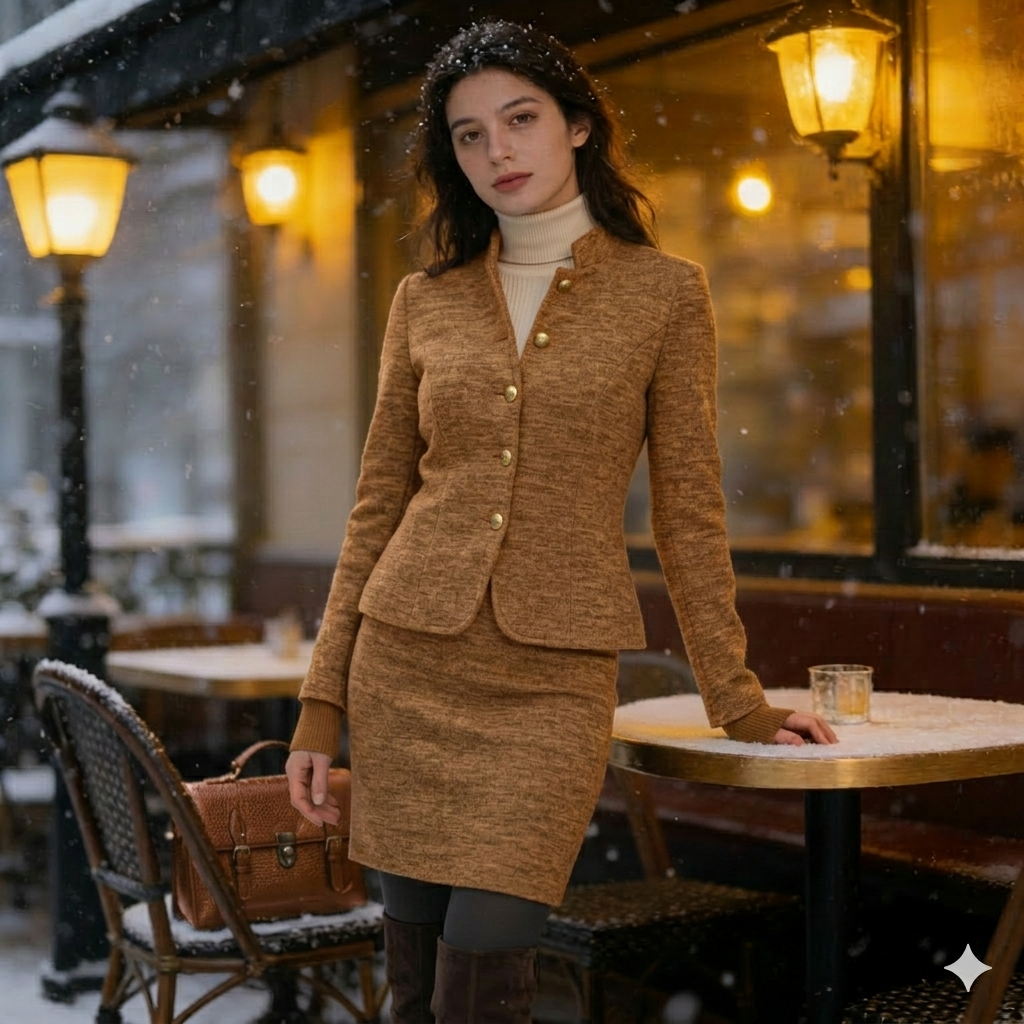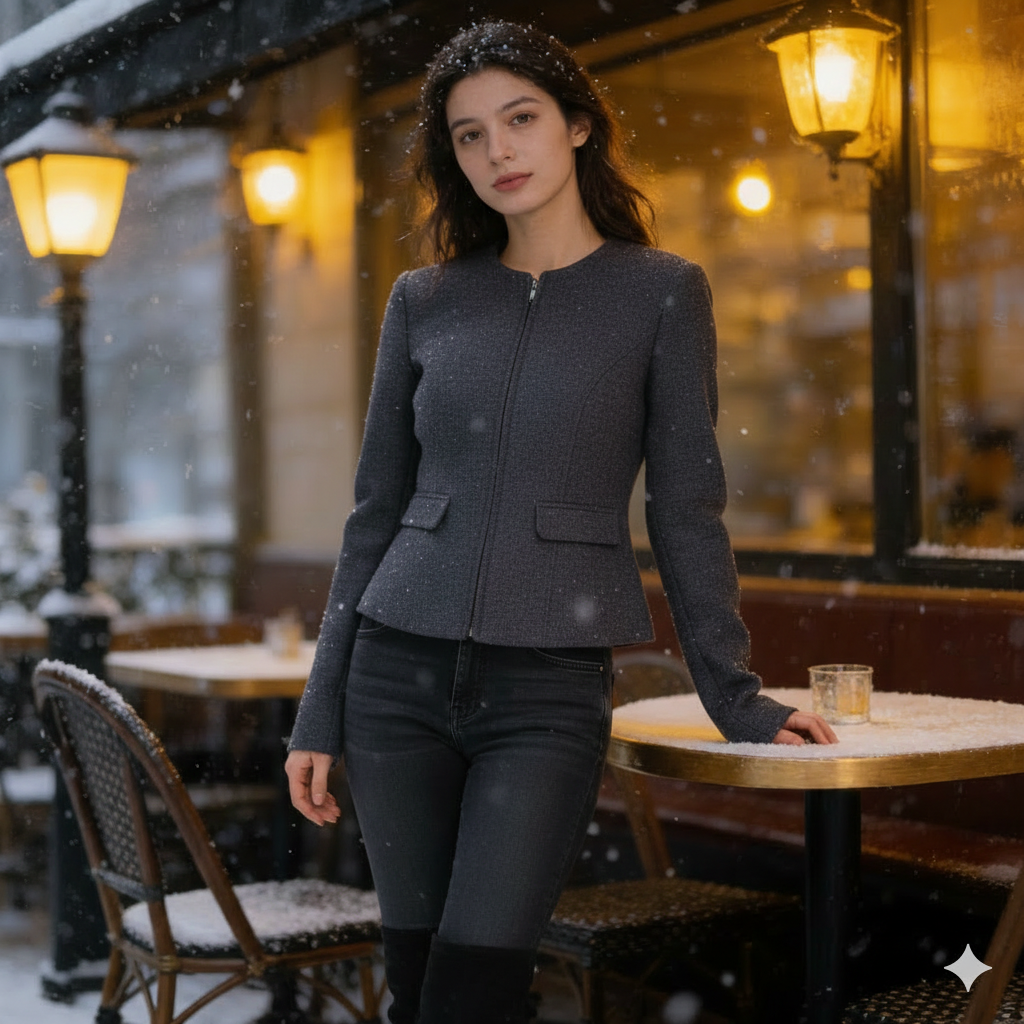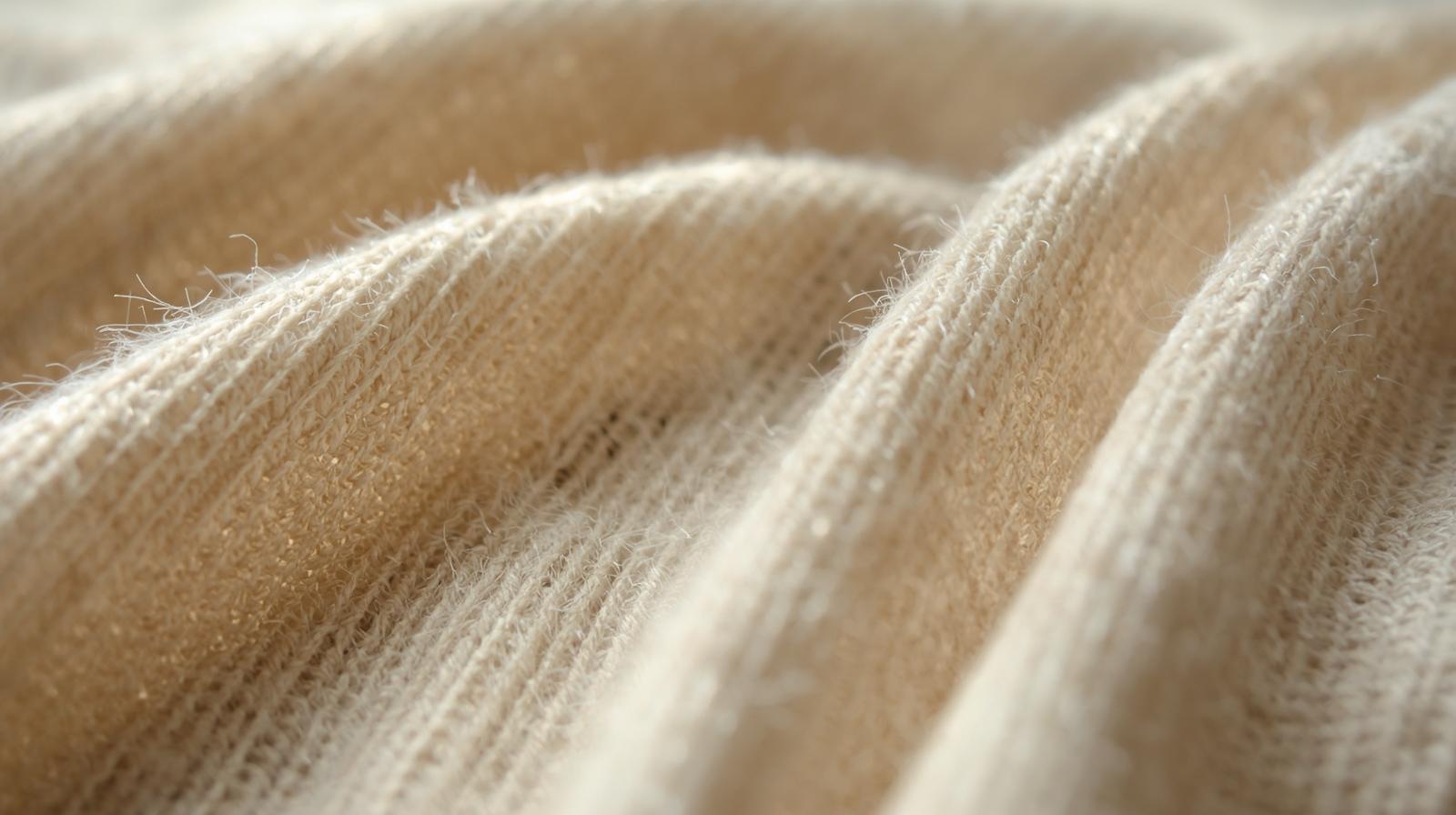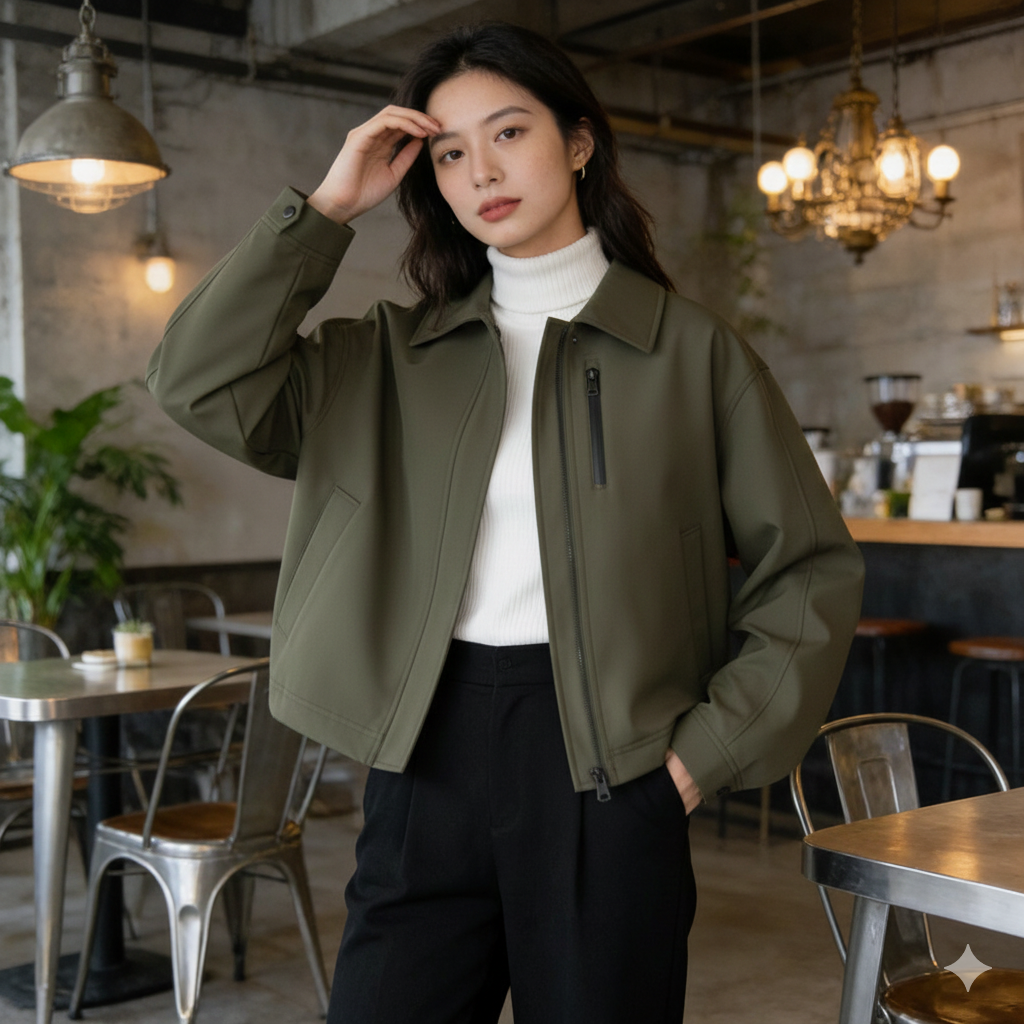
Water Resistant Bonded Fabric for Outerwear Requiring Protection, Structure and Reliability
When Weather Protection Must Work Beyond the Showroom
Water resistance in apparel is easy to claim and difficult to execute consistently. Many fabrics repel water in testing but fail once garments are stitched, washed, or worn repeatedly in real environments.
Water resistant bonded fabric addresses this gap by combining layered construction with controlled surface treatment. The result is not just splash protection, but structural reliability that survives manufacturing and long-term use.
At Succeed Textile, bonded fabrics are developed specifically for outerwear production, where fabric behavior affects not only performance, but cutting efficiency, seam stability, and final garment yield.
How Bonded Fabric Construction Enhances Water Resistance
Bonded fabrics are built by laminating two or more textile layers using heat or adhesive bonding. Each layer plays a functional role rather than a decorative one.
Typical Bonded Structure
-
Outer Layer: Water-resistant woven or knit surface
-
Middle Layer: Bonding film or membrane
-
Inner Layer: Knit backing for comfort and shape support
This layered system allows water resistance to be engineered without relying solely on surface coatings, which often degrade over time.
Functional Performance Buyers Expect from Water Resistant Bonded Fabrics
Core Performance Attributes
-
Surface Water Repellency: Prevents light rain penetration
-
Structural Stability: Reduced fabric distortion during cutting and sewing
-
Wind Resistance: Dense outer face limits air permeability
-
Shape Retention: Bonding minimizes sagging and deformation
-
Enhanced Durability: Lower delamination risk under stress
According to industry testing benchmarks such as ISO water spray and hydrostatic pressure methods, bonded constructions consistently outperform single-layer fabrics in maintaining water resistance after repeated laundering.
Water Resistant Bonded Fabric vs Conventional Treated Fabrics
| Evaluation Factor | DWR-Treated Single Fabric | Water Resistant Bonded Fabric |
|---|---|---|
| Water Resistance Longevity | Moderate | High |
| Structural Stability | Medium | High |
| Seam Performance | Standard | More predictable |
| Garment Shape Retention | Moderate | Excellent |
| Suitable for Outerwear | Limited | Ideal |
For manufacturers producing jackets or coats at scale, bonded fabrics reduce variability during assembly, which directly impacts defect rates and returns.
Manufacturing Control: Where Bonded Fabrics Often Fail
Many bonded fabrics fail not because of design, but due to inconsistent bonding parameters.
How Succeed Textile Controls Bonded Fabric Quality
-
Precise Bonding Temperature Control to prevent fiber damage
-
Uniform Adhesive Distribution to avoid hard spots or weak zones
-
Peel Strength Testing to verify long-term bonding durability
-
Shrinkage Alignment between face and backing layers
-
Batch-Level Inspection for delamination and surface defects
This process significantly lowers post-production claims related to bubbling, peeling or uneven stiffness.
Apparel Applications That Benefit Most from Bonded Construction
| Apparel Category | Why Bonded Fabric Works |
|---|---|
| Outdoor Jackets | Weather resistance with clean structure |
| Urban Commuter Coats | Protection without heavy bulk |
| Softshell Garments | Balanced flexibility and performance |
| Functional Uniforms | Durability under repeated use |
| Travel Outerwear | Wrinkle resistance and packability |
Bonded fabrics allow designers to reduce additional linings, simplifying garment construction while maintaining performance.
Weight, Hand Feel and Design Flexibility
Contrary to common assumptions, water resistant bonded fabrics are not always heavy or rigid.
Typical specifications offered include:
-
Weight Range: 260–420 GSM
-
Surface Options: Matte, twill, smooth knit
-
Backing Options: Jersey, fleece, brushed knit
-
Stretch Capability: Mechanical or spandex-supported
This flexibility allows one fabric base to support multiple outerwear styles across a collection.
Buyer Questions We Regularly Receive
Q1: Is bonded fabric fully waterproof?
Water resistant bonded fabrics protect against light rain and splashes but are not designed for full submersion unless paired with sealed seams.
Q2: Does bonding reduce breathability?
Breathability depends on membrane selection and bonding design. Balanced structures maintain comfort for daily wear.
Q3: Will bonded fabric crack or peel over time?
When bonding parameters are controlled correctly, durability remains stable across repeated washing cycles.
Q4: Is bonded fabric harder to sew?
Proper needle selection and stitch density ensure smooth sewing without damaging bonded layers.
Designed for Real Weather and Real Manufacturing
Water resistant bonded fabric is chosen not for marketing claims, but for control—control over structure, durability, and performance across the garment lifecycle.
At Succeed Textile, bonded fabrics are engineered to support outerwear manufacturing at scale, helping brands deliver reliable protection without sacrificing production efficiency.
Explore our bonded and functional fabric range on the
👉 homepage
or discuss technical specifications and sampling via our
👉 contact page